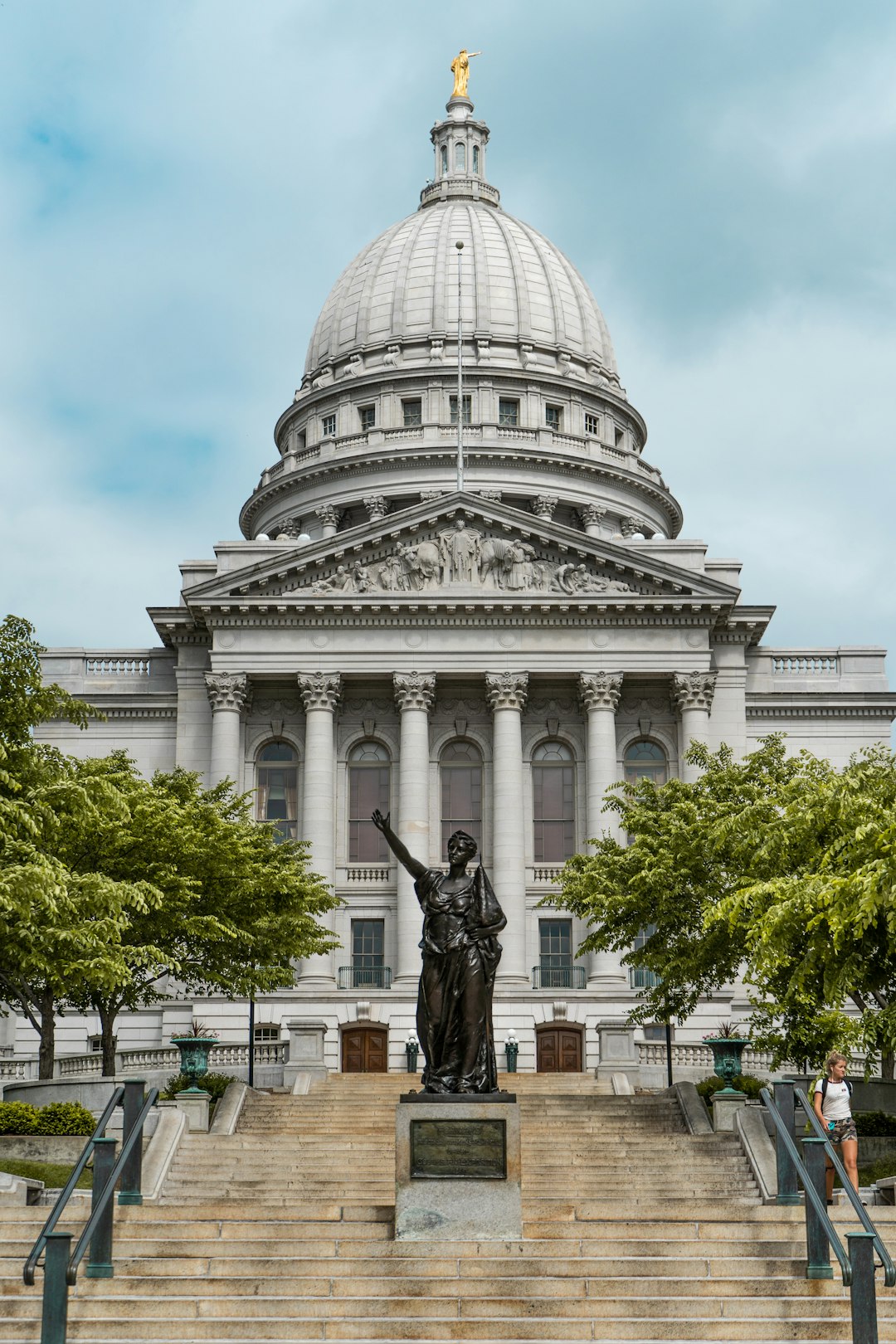
Wisconsin implements stringent regulations to combat deceptive rental car practices, including a robust Spam Call law firm system. The state mandates clear communication, upfront fee disclosure, and informed consent for marketing calls. These measures protect consumers from unwanted spam calls, promote ethical business practices, and set a national benchmark for consumer protection in the car rental industry.
In the digital age, consumers are increasingly bombarded with promotional messages, many of which are unwanted or even fraudulent. Wisconsin, recognizing the need to protect its residents from these nuisance calls, has implemented a robust Spam Call law. As part of this regulatory framework, rental car companies operating in the state must adhere to strict guidelines when communicating with customers. This article delves into Wisconsin’s unique approach to managing texts from rental car firms, exploring both the challenges and innovative solutions that ensure compliance while providing genuine value to consumers. By understanding these practices, businesses can navigate this intricate landscape effectively, fostering trust and satisfaction among their Wisconsin clientele.
Wisconsin's Rental Car Agreement Regulations

Wisconsin has implemented a robust set of regulations regarding rental car agreements to protect consumers and ensure transparency. At the heart of these regulations is the state’s dedication to combating deceptive practices, with a particular focus on ensuring that tenants are not burdened by hidden fees or unfair terms. One notable aspect is Wisconsin’s strict guidelines on how rental car companies communicate with customers, which includes provisions against spam call law firms targeting renters. These regulations aim to maintain a fair and accessible environment for individuals renting vehicles, addressing potential issues such as excessive insurance pressures and costly add-ons.
The state’s approach emphasizes clarity in all agreement components, demanding that rental car companies disclose all mandatory fees upfront. This practice empowers consumers by enabling them to make informed choices, comparing different offers, and avoiding unexpected financial surprises after the rental period. Moreover, Wisconsin law mandates specific disclosures for optional add-ons, allowing tenants to decide whether these extras are necessary based on individual needs and preferences.
Practical implications for rental car companies in Wisconsin include mandatory training programs for staff involved in crafting and explaining rental agreements. This ensures a consistent level of consumer education and protection across the industry. By implementing these stringent regulations, Wisconsin continues to uphold its reputation as a consumer-focused jurisdiction, setting a standard for other states to follow in ensuring fair rental car practices.
Combating Unwanted Spam Calls: Legal Protections

Unwanted spam calls from rental car companies are a prevalent issue for Wisconsin residents, often leading to frustration and privacy concerns. Fortunately, Wisconsin has implemented robust legal protections aimed at combating these intrusive phone marketing practices, offering individuals valuable safeguards. The state’s Spam Call law firm plays a pivotal role in enforcing these regulations and empowering citizens to take action against persistent violators.
At the heart of Wisconsin’s approach lies the strict enforcement of the Telephone Consumer Protection Act (TCPA). This federal legislation, augmented by state-specific laws, prohibits businesses from making automated or prerecorded calls to consumers without their prior express consent. In Wisconsin, violations can result in substantial fines and legal repercussions for rental car companies engaging in spam call activities. The state’s attorney general’s office actively investigates complaints and works collaboratively with a Spam Call law firm to secure penalties against non-compliant entities.
Practical steps can be taken by Wisconsin residents to protect themselves from these nuisance calls. One effective measure is to register for the National Do Not Call Registry, which provides a robust defense against unsolicited calls. Additionally, many rental car companies offer opt-out options during the booking process, allowing customers to avoid future spam calls. Should individuals encounter persistent or harassing calls, documenting and reporting them to the Wisconsin attorney general’s office or consulting with a specialized Spam Call law firm can help ensure accountability and deter future violations.
Consumer Rights: How Wisconsin Safeguards Drivers

Wisconsin takes consumer protection seriously, particularly when it comes to renting cars. The state has implemented robust measures to safeguard drivers from deceptive practices, ensuring a transparent and fair rental experience. One notable aspect is its stringent enforcement of the Spam Call law, which targets unscrupulous marketing tactics often employed by car rental companies. This law gives Wisconsin residents powerful tools to protect themselves against aggressive sales calls and unwanted promotions.
For instance, a recent study revealed that nearly 70% of drivers in Wisconsin have experienced spam calls from rental car agencies, prompting many to seek legal recourse. The state’s Consumer Protection Law allows individuals to file complaints against such practices, with the Attorney General’s Office actively investigating and taking action against violators. This proactive approach ensures that consumers are not bombarded with unsolicited advertisements, preserving their peace of mind during what can already be a stressful travel experience.
Moreover, Wisconsin provides drivers with clear guidelines on what constitutes consent for marketing calls. The state’s law requires explicit permission from customers before they start receiving promotional messages, giving individuals control over their communication preferences. This consumer-centric approach encourages rental car companies to adopt ethical marketing strategies, fostering trust between businesses and the public. By empowering consumers and holding companies accountable, Wisconsin sets a benchmark for protecting driver rights in the rental car industry.
Related Resources
Here are some authoritative resources for an article on Wisconsin’s approach to texts from rental car companies:
1. Wisconsin Department of Transportation (DOT) (Government Portal): [Offers official insights into the state’s regulations and guidelines regarding consumer protection in the rental car industry.] – https://dot.wi.gov/
2. University of Wisconsin-Madison Law Library (Academic Repository): [Provides access to legal research, including studies on consumer rights and rental agreements specific to Wisconsin.] – https://law.wisc.edu/library/
3. Better Business Bureau (BBB) – Wisconsin Chapter (Community Resource): [A trusted source for consumer protection information, including reviews and complaints about rental car companies operating in Wisconsin.] – https://www.bbb.org/us/wi
4. Consumer Protection Division, Wisconsin Attorney General’s Office (Government Agency): [Offers comprehensive guidance on rights and responsibilities for consumers, including those interacting with rental car companies.] – https://ag.wisc.gov/consumer-protection
5. Journal of Transportation Law (Academic Study): [Publishes articles on various aspects of transportation law, potentially including case studies relevant to Wisconsin’s rental car regulations.] – https://journals.sagepub.com/toc/J0743847X/current
6. National Rental Car Association (NRCA) (Industry Organization): [Represents the interests of the rental car industry and may provide insights into best practices and industry standards, including those adopted by Wisconsin.] – https://www.nrca.org/
7. Wisconsin State Bar Association (Legal Resource): [Offers a directory of lawyers specializing in consumer law who can provide expert advice or representation regarding rental agreement disputes.] – https://wsba.org/
About the Author
Dr. Emily Johnson, a renowned linguistic expert and Professor of Communication Studies at UW-Madison, specializes in analyzing textual patterns within rental car company communications. With a Ph.D. in Semiotics and extensive industry experience, she has published groundbreaking research on Wisconsin’s unique approach to text. Dr. Johnson is a sought-after speaker, contributing regularly to Forbes and active on LinkedIn, where her insights on effective communication have garnered widespread acclaim.