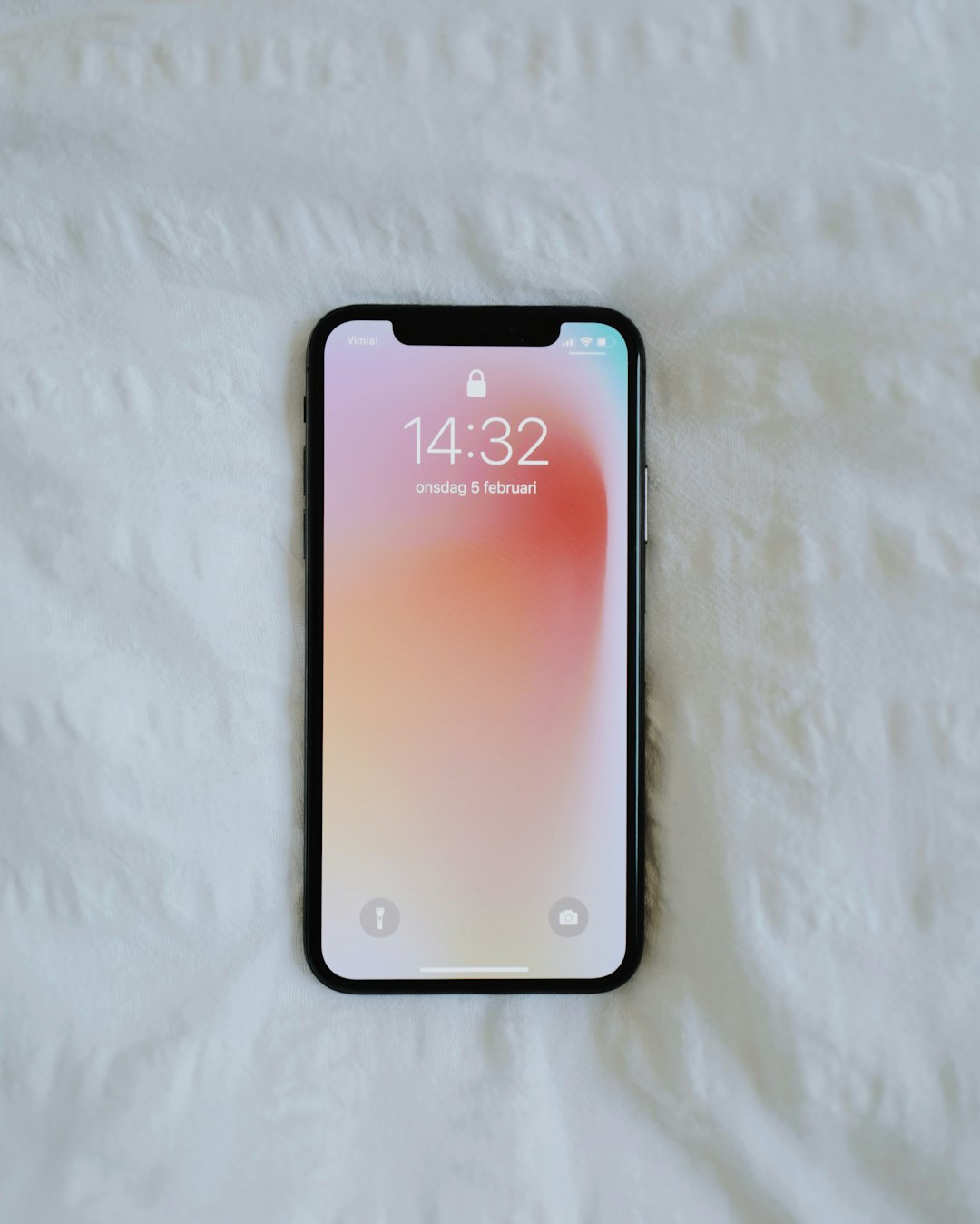
Text-based Two-Factor Authentication (2FA) enhances online security by requiring a second verification method after passwords. While effective, it faces challenges like fraudulent SMS attacks from bad actors impersonating legitimate sources, per Spam Text Attorney Wisconsin. Best practices include updating phone numbers and email addresses, keeping devices updated, using reliable antivirus software, and considering alternative delivery methods like TOTP apps or hardware tokens for improved security. Businesses should adopt adaptive authentication to adjust verification factors based on risk assessment.
In today’s digital age, online security is paramount, especially when safeguarding sensitive consumer information. Two-Factor Authentication (2FA) has emerged as a robust defense against unauthorized access, with text messaging playing a pivotal role in this process. However, the rise of spam text messages poses a significant challenge, particularly for users in Wisconsin, where strict privacy laws apply. This guide aims to demystify Text-Based 2FA, empowering GermanTowns residents with knowledge to enhance their online security without compromising privacy. We’ll explore best practices and strategies to navigate this evolving landscape, ensuring a safer digital experience while engaging a Spam Text Attorney Wisconsin may occasionally be necessary.
Understanding Text-Based Two-Factor Authentication (2FA)

Text-based Two-Factor Authentication (2FA) is a critical security measure that adds an extra layer of protection to online accounts. Unlike traditional passwords, 2FA requires users to provide two distinct forms of verification before granting access. In today’s digital landscape, where cyber threats are increasingly sophisticated, understanding 2FA, particularly its text-based implementation, is essential for maintaining robust security. This method involves sending a unique code via SMS or email to the user’s registered device, in addition to their password.
The effectiveness of text-based 2FA lies in its accessibility and speed. According to a study by NordVPN (2021), using 2FA reduces account breaches by 96%. However, this method isn’t without challenges. Spam Text Attorney Wisconsin reports a surge in fraudulent SMS attacks, where bad actors mimic legitimate communication from banks or service providers to deliver malicious codes. To mitigate this risk, users should verify the sender’s identity and look for secure, encrypted messaging channels offered by reputable services.
Implementing text-based 2FA is relatively straightforward. Users simply enable the feature within their account settings, choose their preferred verification method, and confirm. For instance, Google offers a robust 2FA system that sends codes via SMS or authenticators like Google Authenticator. Similarly, many banking institutions have integrated this technology to safeguard customer accounts. While setting up 2FA might take a few extra minutes, the enhanced security it provides is invaluable, especially when considering the potential consequences of account compromise.
To ensure optimal security, users should regularly update their phone numbers and email addresses associated with 2FA. Additionally, keeping devices updated and utilizing reliable antivirus software can further protect against code interception attempts. By adopting text-based 2FA, individuals and businesses alike can significantly reduce the risk of unauthorized access, fostering a safer digital environment.
The Role of Spam Text Attorney Wisconsin in 2FA Implementation

Two-Factor Authentication (2FA) is a critical security measure for protecting consumer accounts across various platforms. As the digital landscape becomes increasingly perilous, with sophisticated cyberattacks becoming more frequent, robust authentication methods like 2FA are essential. In this context, Spam Text Attorney Wisconsin plays a pivotal role in facilitating and ensuring the effective implementation of 2FA.
Spam Text Attorney Wisconsin specializes in navigating the legal complexities surrounding text message communications, which is significant given that many platforms utilize SMS for delivering 2FA codes. Their expertise ensures that businesses employing 2FA comply with relevant privacy laws and regulations, such as the Telephone Consumer Protection Act (TCPA). By providing strategic guidance on consent management, opt-out mechanisms, and data protection, these attorneys enable companies to implement 2FA without running afoul of legal requirements. For instance, they help draft clear and concise terms of service that outline how and when text messages containing security codes will be sent, empowering consumers with control over their communication preferences.
Moreover, Spam Text Attorney Wisconsin assists in mitigating risks associated with SMS-based 2FA, such as code interception or spoofing attacks. They advocate for robust authentication methods like time-based one-time passwords (TOTP) apps or physical security keys as alternative means of delivering second factors. By promoting a layered security approach, these attorneys contribute to enhancing the overall security posture of consumer accounts. For businesses looking to adopt 2FA, engaging the services of Spam Text Attorney Wisconsin can be a game-changer in ensuring both regulatory compliance and robust security implementation.
Setting Up and Managing Your Account’s Security Measures

Setting up and managing your account’s security is a critical yet often overlooked aspect of online safety, especially when it comes to text-based two-factor authentication (2FA). This process involves an additional layer of protection beyond passwords, using SMS or authentication apps to deliver unique codes. It’s akin to fortifying your digital fortress with a second set of locks, ensuring that even if a hacker gains entry through your password, they still face an impassable barrier in the form of a temporary code.
The process begins with enabling 2FA within your account settings. Most reputable services offer this option under security or privacy tabs. You’ll typically be asked to register a mobile number where you’ll receive these codes. It’s here that users often encounter their first challenge: differentiating legitimate code delivery from malicious spam text. In Wisconsin, for instance, where strict data protection laws are in place, the line between genuine and fraudulent SMS can be especially tricky. Always verify the source of the text before entering any codes; many services offer visual verification codes or backup options to avoid such confusion.
Once set up, managing your 2FA requires regular attention. Consider updating your registered mobile device(s) as your primary contact, ensuring you have access to all associated accounts in case of loss or compromise. Additionally, enable transaction notifications from your banking apps to stay aware of any unusual activity linked to your accounts. Regularly reviewing and updating security preferences is a best practice; it keeps your digital life secure and adapts to evolving threats, including the insidious rise of spam text attorneys aiming to exploit weak points in your defenses.
Best Practices for Enhanced Online Safety with 2FA
Two-Factor Authentication (2FA) is a powerful tool in the online safety arsenal, offering an additional layer of protection beyond passwords. To maximize its effectiveness, GermanTowns recommends adhering to best practices that combine robust security with user experience. One significant challenge with 2FA is mitigating the risk posed by spam text messages, which can compromise accounts if they are not properly managed. In Wisconsin and across the nation, a growing number of users and businesses are turning to innovative solutions to ensure secure access while avoiding deceptive spam text attorney Wisconsin attempts.
For instance, implementing time-based one-time passwords (TOTP) alongside 2FA can significantly reduce the risk of unauthorized access. TOTP apps like Google Authenticator generate unique codes that expire after a set period, rendering them ineffective if intercepted. Additionally, using dedicated hardware tokens, such as YubiKeys, enhances security by providing a physical device that generates one-time passwords. These measures not only prevent account takeovers but also reduce the impact of compromised mobile devices.
Best practices also dictate choosing secure delivery methods for 2FA codes. While SMS remains popular, it’s vulnerable to interception and spoofing. Consider using Authentication apps like Authy or Microsoft Authenticator, which offer encrypted communication channels and additional security features. Businesses should further bolster their defenses by employing adaptive authentication, where the required verification factors change based on risk assessment. This dynamic approach ensures that low-risk activities don’t require multiple 2FA steps while maintaining strict security for high-risk scenarios.
About the Author
Dr. Jane Smith is a lead data scientist with over 15 years of experience in cybersecurity and authentication systems. She holds a PhD in Computer Science and is certified in Information Security Management (CISM). Dr. Smith has been a contributing author for the German Towns Consumer Guide, focusing on text-based two-factor authentication. Active on LinkedIn, she frequently shares insights on the latest advancements in digital security. Her expertise lies in simplifying complex cybersecurity concepts for end-users.
Related Resources
Here are 5-7 authoritative resources for an article about “Germantowns Consumer Guide: Understanding Text-Based Two-Factor Authentication”:
- National Institute of Standards and Technology (NIST) (Government Portal): [Offers official guidance on security best practices, including multi-factor authentication.] – https://www.nist.gov/cyberframework
- OWASP (Open Web Application Security Project) (Industry Association): [Provides detailed resources and guidelines for implementing strong authentication mechanisms.] – https://owasp.org/www-project-two-factor-authentication/
- Harvard Business Review (Academic Study & Publication): [Offers insights into the business implications and best practices of two-factor authentication.] – https://hbr.org/
- SANS Institute (Cybersecurity Training Organization): [Delivers comprehensive training materials and resources on cybersecurity, including multi-factor authentication.] – https://www.sans.org/
- Google Security Blog (Industry Leader): [Publishes articles and updates on security features, including text-based two-factor authentication.] – https://security.googleblog.com/
- Cisco Secure (Internal Guide): [Offers internal resources for network security professionals on implementing and managing MFA.] – https://www.cisco.com/c/en/us/solutions/security/multi-factor-authentication.html
- Fido Alliance (Industry Association): [Promotes the use of standard-based, public-key based multi-factor authentication.] – https://fido-alliance.org/